


Bangladesh is one of the flattest countries on Earth — but look closer and it is a mosaic of very different landscapes. A school map may show a green delta crossed by blue rivers, yet a geographer sees much more: ancient red terraces standing above young floodplains, folded hills rising in the southeast, tidal forests breathing with the sea, and bowl-shaped wetlands that become inland oceans during the monsoon. In physical geography, Bangladesh is often grouped into three broad physiographic regions: Holocene floodplains, Pleistocene terraces, and Tertiary hills; more detailed classifications divide the country into many sub-regions and units. (<a href="https://en.banglapedia.org/index.php/BangladeshGeography?utmsource=chatgpt.com”>Banglapedia)
Think of the country as a living classroom. Every river bend, clay basin, hill ridge, and tidal flat is a lesson in how water, sediment, tectonics, climate, and people have shaped the land.
The Active Floodplain
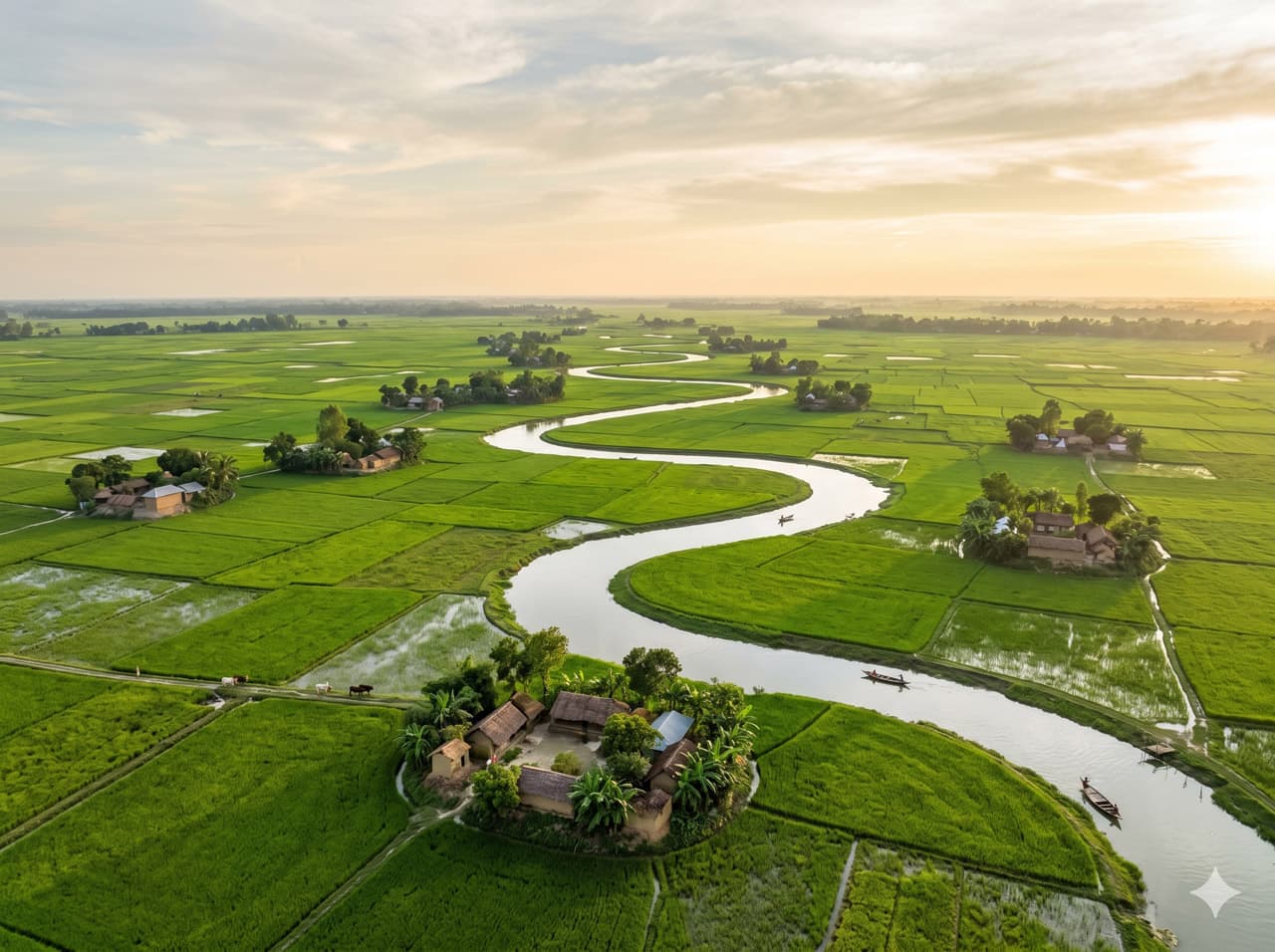
The active floodplain is Bangladesh’s great moving floor. It includes the floodplains of the Ganges-Padma, Brahmaputra-Jamuna, Meghna, Teesta, Old Brahmaputra, and many smaller rivers. These are young Holocene surfaces, still being built, eroded, and rebuilt by annual floods. FAO descriptions note that floodplains occupy about 80% of Bangladesh, while Banglapedia describes the country as largely part of the combined Ganges-Brahmaputra-Meghna delta. (FAOHome)
Here, land is not fixed in the way a hill is fixed. A char may appear after one flood season and disappear in the next. Natural levees rise beside river channels; backswamps and basins hold water longer; meander scars preserve the memory of abandoned channels. The soils are mostly alluvial — silts, silty clays, clay loams, and basin clays — with fertility renewed by sediment but also interrupted by erosion, waterlogging, and seasonal inundation. Agriculture follows the flood rhythm: aus, aman, boro rice, jute, pulses, vegetables, and fisheries all depend on where the water stands and for how long.
The Barind Terrace — Bangladesh’s Oldest Surface
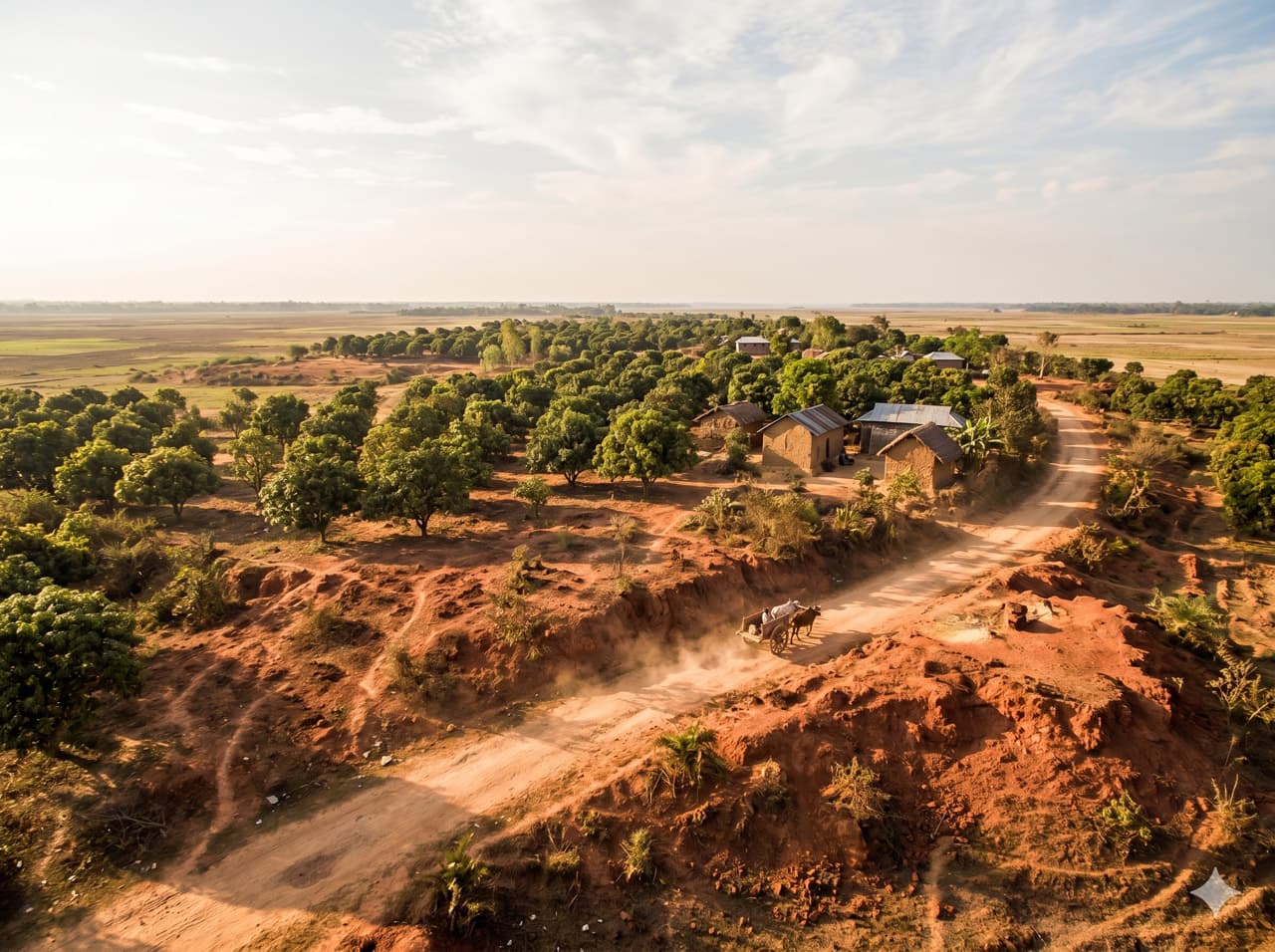
Travel northwest into Rajshahi, Naogaon, and Dinajpur, and the land begins to feel subtly different. The Barind Terrace is not high by mountain standards, but in Bangladesh it is an old, raised surface — a Pleistocene upland with reddish-brown, more weathered terrace soils. Research on the Barind Tract places its elevation roughly between 11 and 48 meters above mean sea level, higher than many surrounding floodplains. (<a href="https://www.researchgate.net/publication/325545261PhysiographyoftheBarindTractandItsSurroundingAreasBengalBasinBangladesh?utm_source=chatgpt.com”>ResearchGate)
This is Bangladesh’s ancient tableland. Its soils are less frequently renewed by river sediment, often more compact, and locally drought-prone compared with the active floodplain. Where the floodplain is youthful and restless, the Barind is mature and firm. Its landscape supports rice, wheat, mango orchards, pulses, and groundwater-dependent irrigation, but it also faces dry-season water stress.
“Stand on the Barind after the rains and then walk down to the active delta,” a geomorphologist might say. “One surface feels old, oxidized, and patient; the other is wet, young, and still being written by the rivers.”
The Chittagong Folds
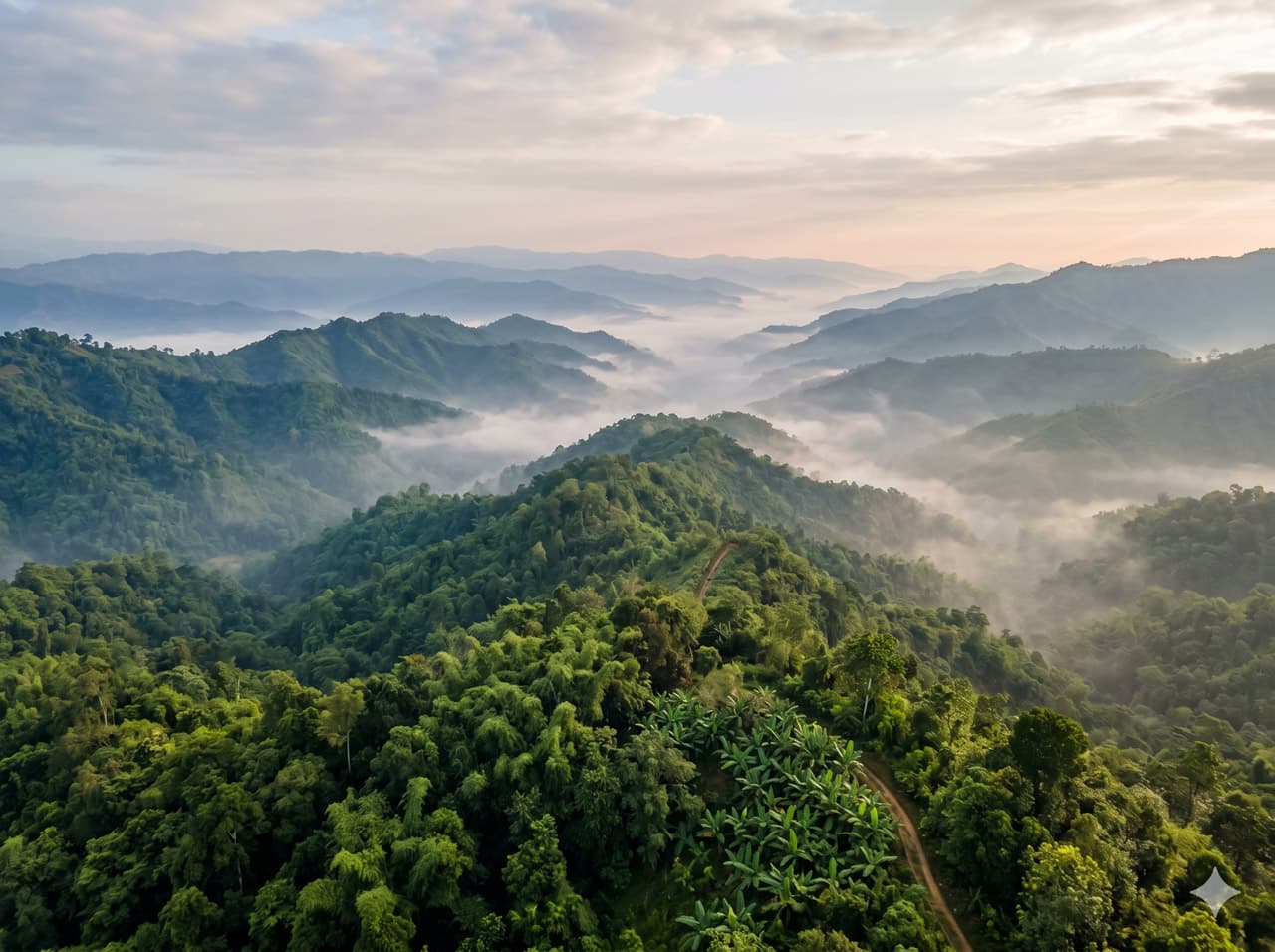
In the southeast, Bangladesh changes character dramatically. The Chittagong Hill Tracts form the country’s only extensive hill region, covering about 13,184 square kilometers and bordering Myanmar and India. (<a href="https://en.banglapedia.org/index.php/ChittagongHillTracts?utmsource=chatgpt.com”>Banglapedia) These hills are part of a folded belt made mainly of Tertiary sandstones, shales, and clays; Banglapedia notes that Bangladesh’s Tertiary hills occur in districts including Rangamati, Bandarban, Khagrachari, Cox’s Bazar, Chittagong, Sylhet, Moulvibazar, and Habiganj, with average hill altitudes around 450 meters. (<a href="https://en.banglapedia.org/index.php/Environment?utmsource=chatgpt.com”>Banglapedia)
The Chittagong folds are a landscape of ridges and valleys. Streams are short and flashy, slopes are steep, and soils are generally brown hill soils. Land use includes forest, shifting cultivation, fruit gardens, bamboo, settlements, and protected areas. Unlike the delta, where water spreads horizontally, the hills send water rushing downward. This difference matters: landslides, soil erosion, deforestation, and road cutting can quickly destabilize the terrain.
The Coastal Plain and Sundarbans
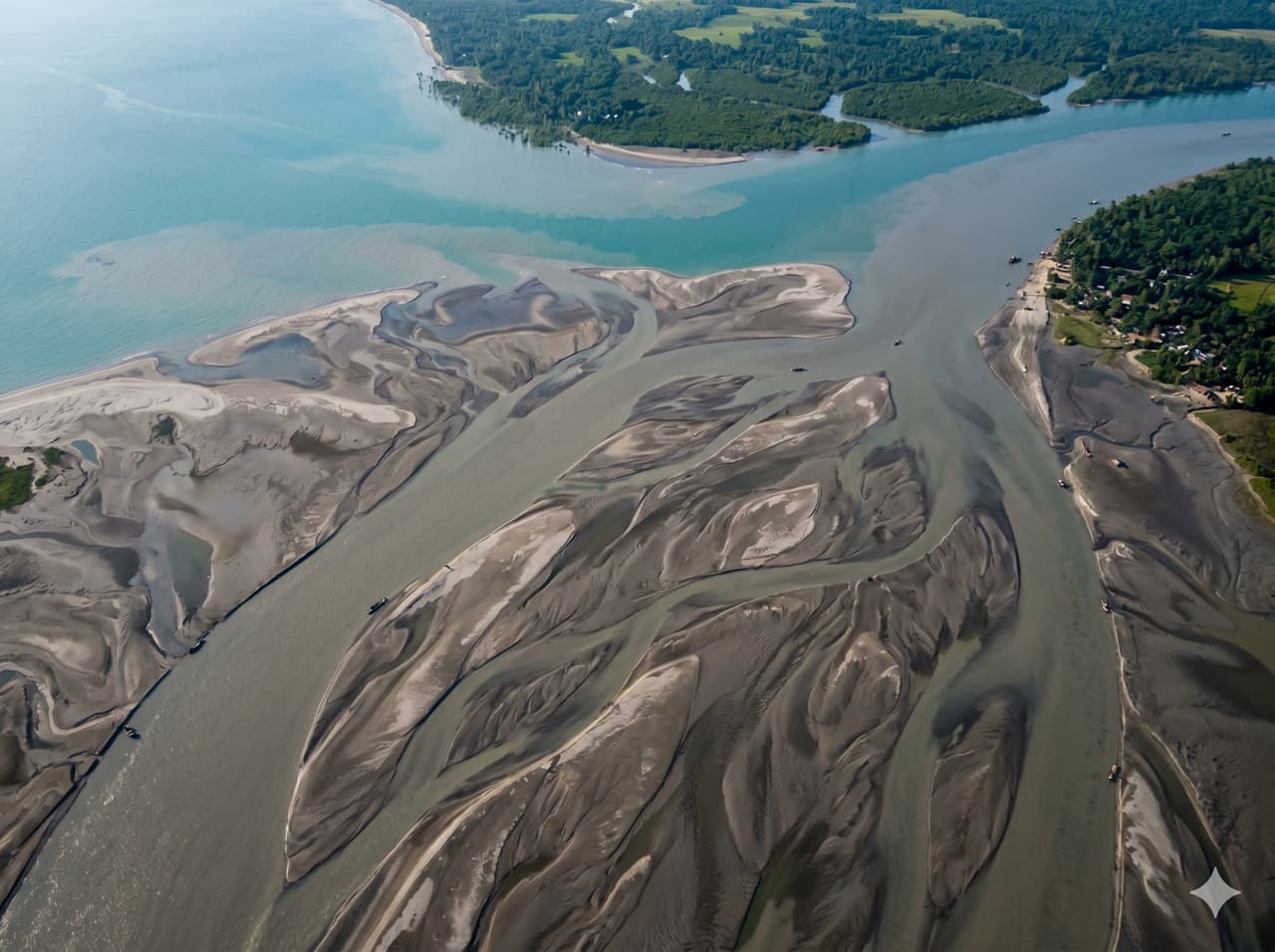
Southward, the land meets the tide. The coastal plain includes tidal floodplains, estuarine islands, mangrove forests, mudflats, polders, shrimp farms, rice fields, and the great Sundarbans. This is where river sediment, monsoon discharge, storm surge, salinity, and tidal energy negotiate the edge of the Bay of Bengal.
The Sundarbans is the most iconic part of this zone: a mangrove wilderness built on low tidal land, cut by creeks and channels. The soils are young, saline to brackish in many places, and often clayey. Human land use outside the reserve includes aman rice, aquaculture, salt-affected cropping, embanked agriculture, and fishing. The coastal plain is productive, but it is also exposed. Cyclones, tidal surges, riverbank erosion, drainage congestion, and salinity intrusion constantly reshape livelihoods.
The Haor Basin
Now move northeast to Sylhet and Sunamganj, where the land sinks into saucer-shaped depressions. The Haor Basin is a seasonal wetland world: dry-season fields and villages become monsoon water expanses. One physiographic summary describes the Haor Basin as an area of many lakes covering approximately 4,505 square kilometers, while hydrological studies describe haors as large saucer-shaped floodplain depressions in northeastern Bangladesh. (SOS Arsenic)
The haor is a geography of extremes. In winter, farmers cultivate boro rice on exposed basin floors. In the monsoon, water from local rainfall and upstream catchments spreads across the basin, creating fisheries, navigation routes, and bird habitat. Soils are often heavy clays and basin deposits, with deep seasonal flooding. The haor teaches one of Bangladesh’s most important lessons: a landscape can be both agricultural land and aquatic ecosystem, depending on the month.
Physiographic Units at a Glance
| Physiographic unit | Approx. area km² | Elevation range m | Predominant soil | Common land use | |
|---|---|---|---|---|---|
| —————————— | ——————– | ———————— | ——————————————— | ——————————————————– | |
| Active floodplain | ~118,000 | 0–20 | Alluvial silts, silty clay loams, basin clays | Rice, jute, vegetables, fisheries, settlements | |
| Barind Terrace | ~7,700 | 11–48 | Red-brown and grey terrace soils | Rice, wheat, mango, pulses, irrigation farming | |
| Chittagong Folds / Hill Tracts | ~13,184 for CHT | 50–1,000+ | Brown hill soils over sandstone, shale, clay | Forest, shifting cultivation, fruit, bamboo, settlements | |
| Coastal Plain and Sundarbans | ~30,000 coastal belt | 0–5 | Tidal clays, saline alluvium, mangrove muds | Rice, aquaculture, mangrove forest, fishing, polders | |
| Haor Basin | ~4,505 core basin | 2–10, seasonally flooded | Heavy basin clays, silts | Boro rice, capture fisheries, wetland habitat |
Note: Areas are approximate and overlap with broader national classifications; physiographic boundaries vary by source and mapping scale.
Five Rivers That Shape Bangladesh’s Physiography
- Brahmaputra-Jamuna — the great braided river that builds chars and broad floodplains.
- Ganges-Padma — a sediment-rich river shaping western and central deltaic plains.
- Meghna — the estuarine artery carrying combined flows toward the Bay of Bengal.
- Teesta — a northern river forming fan and floodplain landscapes.
- Surma-Kushiyara — the northeastern river system feeding the Sylhet and haor basin wetlands.
Gallery Captions
- Alluvial plain: Fresh silt, rice fields, and river levees on the active floodplain — Bangladesh’s youngest land surface.
- Barind terrace: Reddish Pleistocene soil and slightly raised ground, a quiet reminder of an older Bengal landscape.
- CHT ridgeline: Folded hills of the southeast, where sandstone ridges rise above narrow valleys and fast streams.
- Meghna delta: Wide channels, chars, and estuarine waters where river sediment meets the sea.
- Haor basin: A seasonal inland sea in the monsoon, transformed into boro fields in the dry season.
- Tidal flat: Mud, mangrove roots, and tidal creeks at the shifting edge of the coastal plain.
Climate Change and the Future of the Five Zones
Climate change is now rewriting all five physiographic zones at once. In the active floodplain, heavier rainfall and unstable river discharge can intensify erosion and flooding. On the Barind Terrace, dry-season water stress and heat may deepen drought risk. In the Chittagong folds, extreme rainfall can trigger landslides on disturbed slopes. Along the coastal plain and Sundarbans, sea-level rise, salinity intrusion, stronger cyclones, and tidal flooding threaten both ecosystems and settlements. In the Haor Basin, earlier flash floods can destroy boro rice before harvest, while altered rainfall changes wetland ecology. Bangladesh’s physiography has always been dynamic — but climate change is accelerating the pace, turning geography from a background subject into a frontline national question.
Sources / References
- Banglapedia — “Bangladesh Geography” and “Physiography.”
- FAO — Bangladesh: Physiographic Regions and Soils.
- Banglapedia — “Environment,” including Tertiary hills, Pleistocene terraces, and recent plains.
- Banglapedia — “Chittagong Hill Tracts.”
- ResearchGate — Physiography of the Barind Tract and Its Surrounding Areas, Bengal Basin, Bangladesh.
- FAO/UNDP soil classification references on floodplain, terrace, and hill soils.
- Haor Basin physiographic summaries and flood-characteristic studies for northeastern Bangladesh.












Responses (0 )