


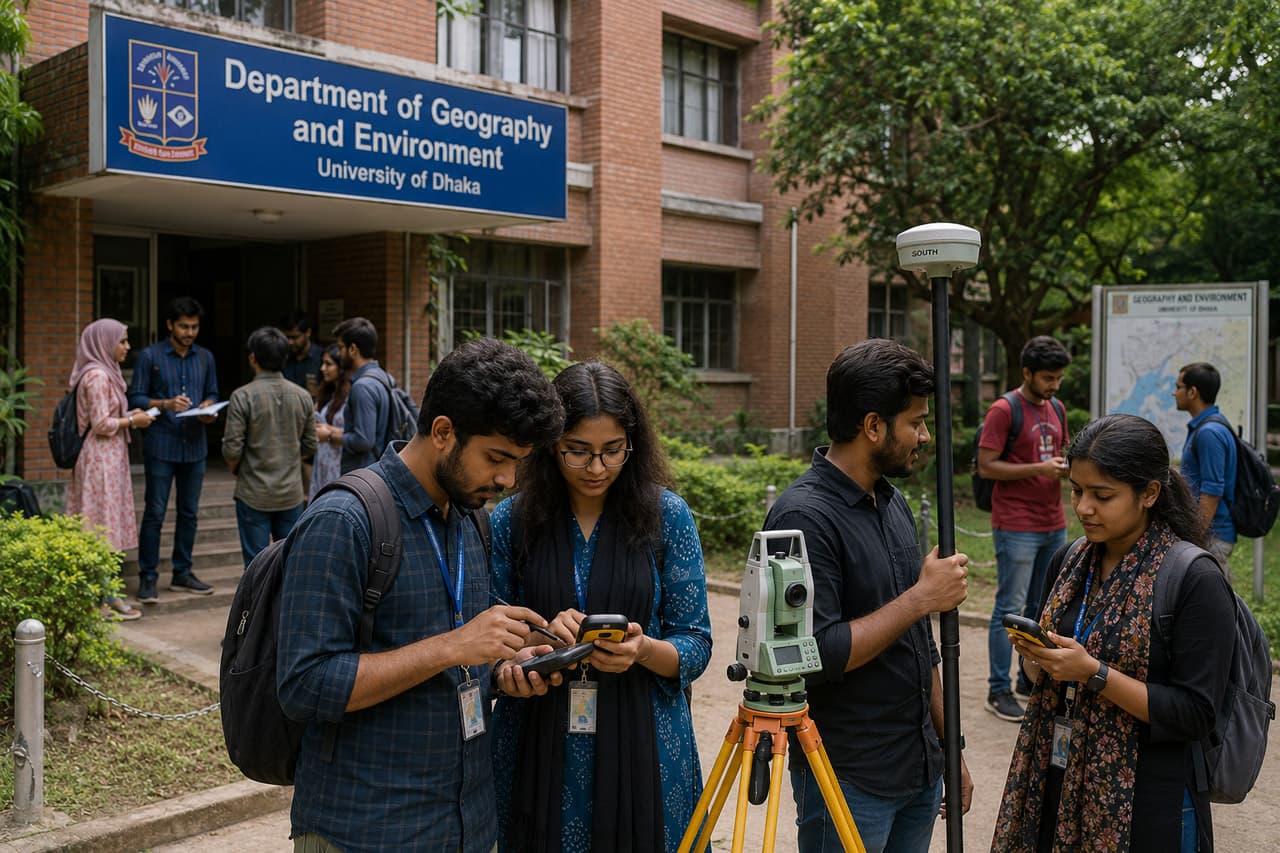
Hero image caption: Geography students on a public university campus in Bangladesh, carrying field notebooks, GPS receivers, and map sheets before leaving for a field survey.
Bangladesh has some of the strongest geography and GIS programs in South Asia — but knowing which university to apply to, and what to expect, can make a decade of difference to your career.
For parents, Geography may still sound like “maps and capitals.” For today’s students, it is much more than that. Modern geography in Bangladesh connects climate change, river erosion, urban growth, disaster management, migration, public health, remote sensing, and GIS-based decision-making. If a student enjoys maps, environment, technology, fieldwork, data analysis, and real-world problem solving, Geography and GIS can be a strong academic path.
Why Geography & GIS in Bangladesh Now?
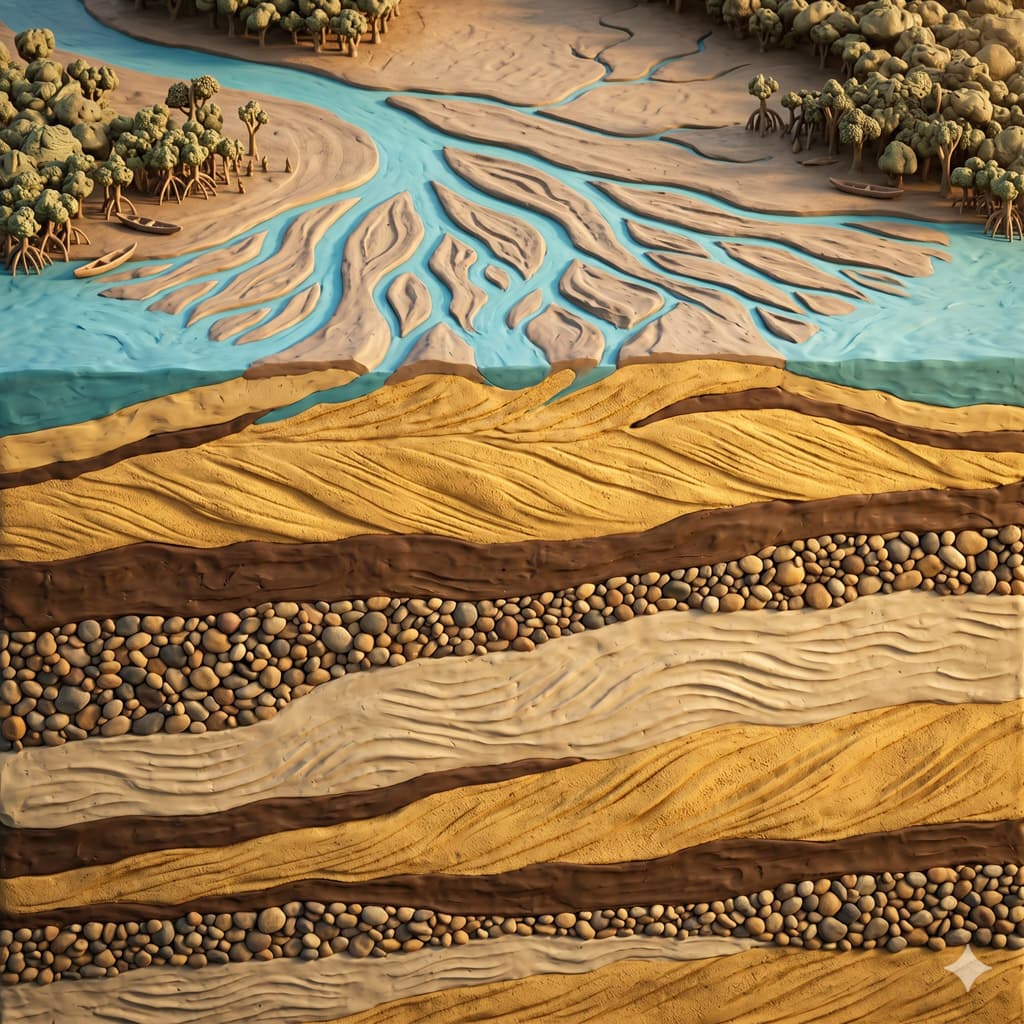
Bangladesh is one of the most geographically dynamic countries in the world. Rivers shift, coasts change, cities expand, floodplains fill and drain, and climate risks are increasingly visible. This makes geospatial knowledge valuable in government, NGOs, research organizations, consulting firms, telecom, fintech, logistics, urban planning, disaster management, and environmental assessment.
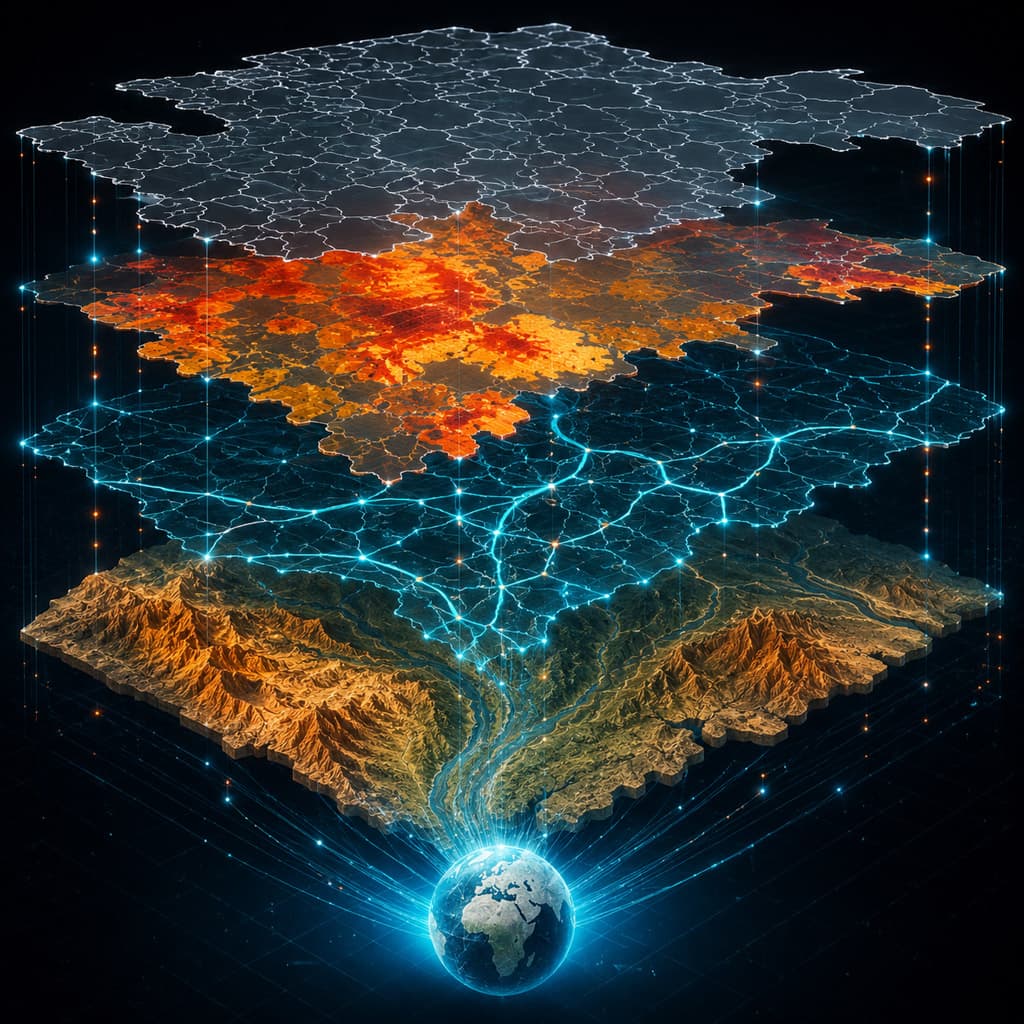
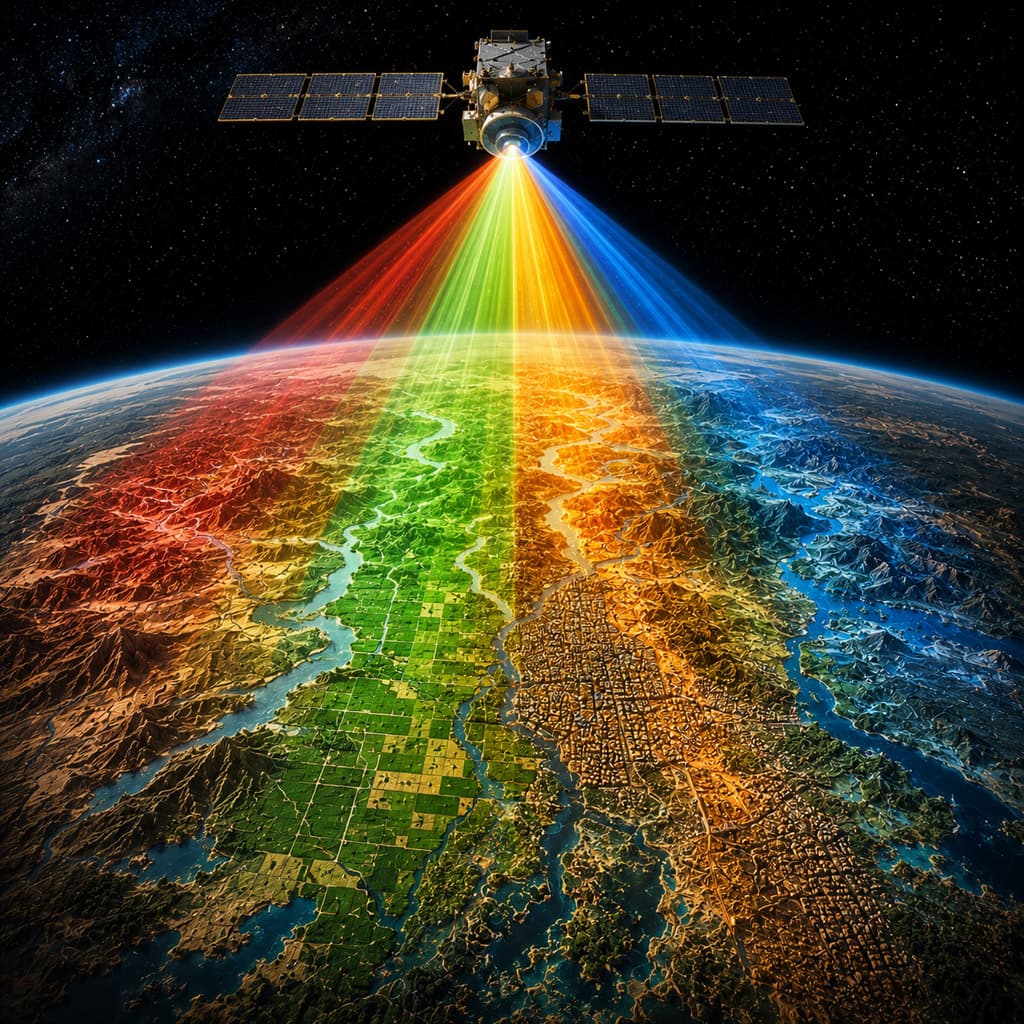
GIS and remote sensing are now central tools for these sectors. Students who learn spatial analysis, satellite image interpretation, field survey, database management, and map communication can work on flood vulnerability, crop monitoring, land use change, road accessibility, poverty mapping, climate adaptation, and urban expansion. That is why the choice of university matters: the best programs combine strong geography foundations with practical GIS and remote sensing exposure.
Top Universities
Bangladesh has several respected public universities offering Geography, Geography and Environment, Geography and Environmental Studies, or dedicated Remote Sensing and GIS programs. The names below are not a strict ranking; they are a practical shortlist for students and parents to explore carefully.
| University | Department | Degree offered | Notable facilities | Location | |
|---|---|---|---|---|---|
| ———————— | ————————————————————————– | ————————————————————— | ———————————————————————————————————– | ———— | |
| University of Dhaka | Department of Geography & Environment | B.S. Honours, MS, MPhil, PhD | GIS Laboratory, Remote Sensing Laboratory, fieldwork and environmental labs | Dhaka | |
| Jahangirnagar University | Department of Geography & Environment; Institute of Remote Sensing and GIS | Undergraduate/graduate Geography; MSc in Remote Sensing and GIS | GPS, GIS and remote sensing facilities; dedicated Institute of Remote Sensing and GIS | Savar, Dhaka | |
| University of Rajshahi | Department of Geography and Environmental Studies | Undergraduate and postgraduate programs | Research focus in GIS, remote sensing, physical geography, disaster management, land use and climate change | Rajshahi | |
| University of Chittagong | Department of Geography and Environmental Studies | Undergraduate and postgraduate programs | Physical Geography lab, Environmental lab, Cartographic lab, GIS lab, Remote Sensing lab | Chattogram | |
| Jagannath University | Department of Geography & Environment | Undergraduate and postgraduate programs | RS-GIS lab with modern spatial tools for geospatial analysis, database preparation and visualization | Dhaka | |
| Khulna University | Geography/Environmental Science related programs | Undergraduate and postgraduate options vary by discipline | Strong regional relevance for coastal environment, Sundarbans, climate and disaster studies | Khulna |
At the University of Dhaka, the B.S. Honours curriculum includes courses such as Remote Sensing: Image Processing and Analysis, Research and Fieldwork, Advanced Research Methodology, Urban Geography, Rural Geography and Settlements, Environmental Planning and Management, and Application of GIS and Remote Sensing. The department also lists a GIS Laboratory and a Remote Sensing Laboratory; the remote sensing lab is described as having 40 high-configuration computers and software such as ERDAS Imagine, ArcMap, QGIS and iDesktopX. (Dhaka University)
Jahangirnagar University is especially important for students interested in dedicated GIS and remote sensing pathways. Its Department of Geography & Environment states that it is equipped with GPS techniques, GIS and remote sensing facilities and physical laboratories. Its Institute of Remote Sensing and GIS offers MSc-level Remote Sensing and GIS opportunities, and the MSGED program describes itself as Bangladesh’s first professional master’s program integrating GIS, remote sensing, environment and development. (Jahangirnagar University)
The University of Rajshahi’s Department of Geography and Environmental Studies highlights research areas including GIS and remote sensing application, physical geography, agriculture geography, environment and disaster management, coastal ecosystem, land use change and climate change. The University of Chittagong department lists several laboratories, including physical geography, environmental, cartographic, GIS and remote sensing labs. Jagannath University’s department notes that its RS-GIS lab is supported by modern spatial tools for geospatial analysis, database preparation and visualization. (University of Rajshahi)
What You’ll Study
A good Geography/GIS degree is not only about software. Students first build a foundation in how the Earth and society interact. Then they learn tools to measure, analyse and communicate those patterns.
Core subjects typically taught include:
- Physical geography
- Cartography
- GIS fundamentals
- Remote sensing
- Environmental geography
- Research methods
- Field survey
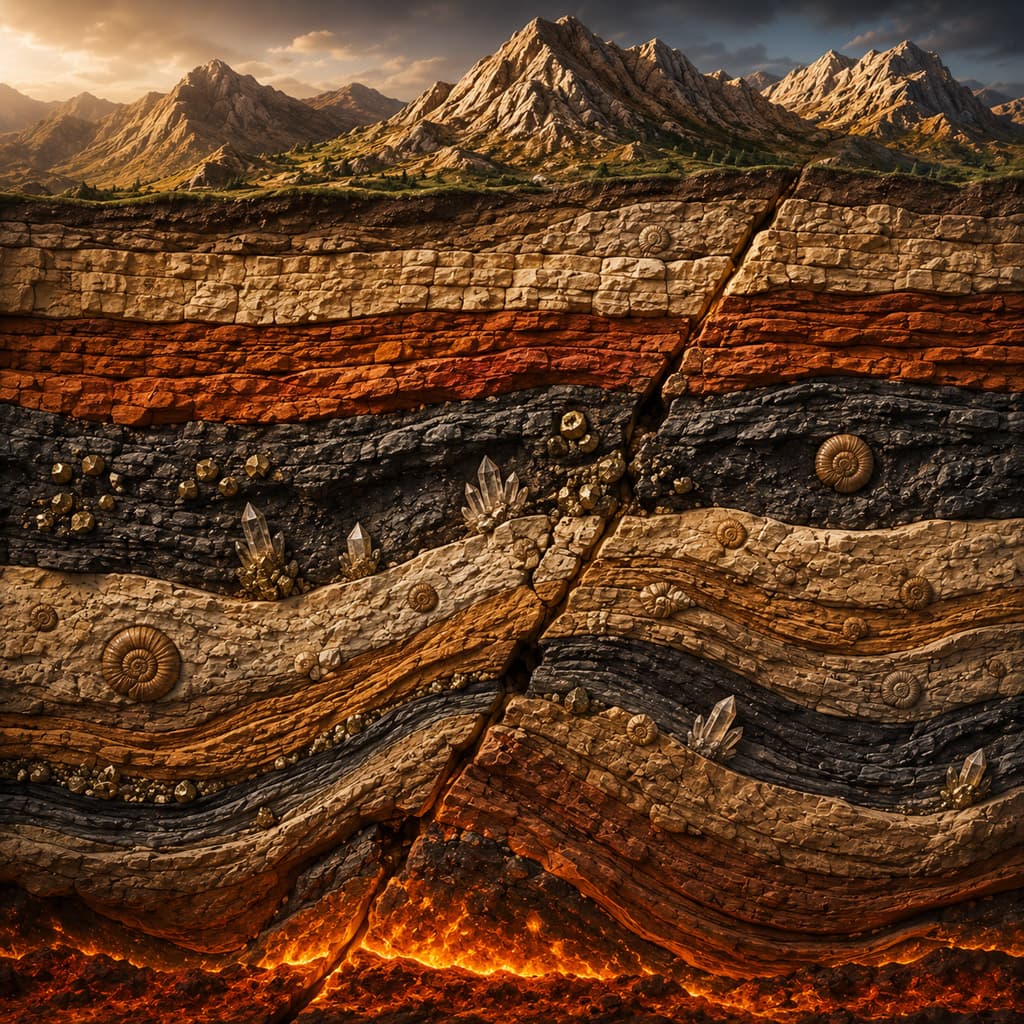
You may also study climatology, geomorphology, hydrology, population geography, urban geography, rural settlements, transport geography, disaster management, land use planning, statistics, environmental impact assessment, and regional geography. In later years, students usually complete fieldwork, lab work, practical mapping, and a research project or thesis.
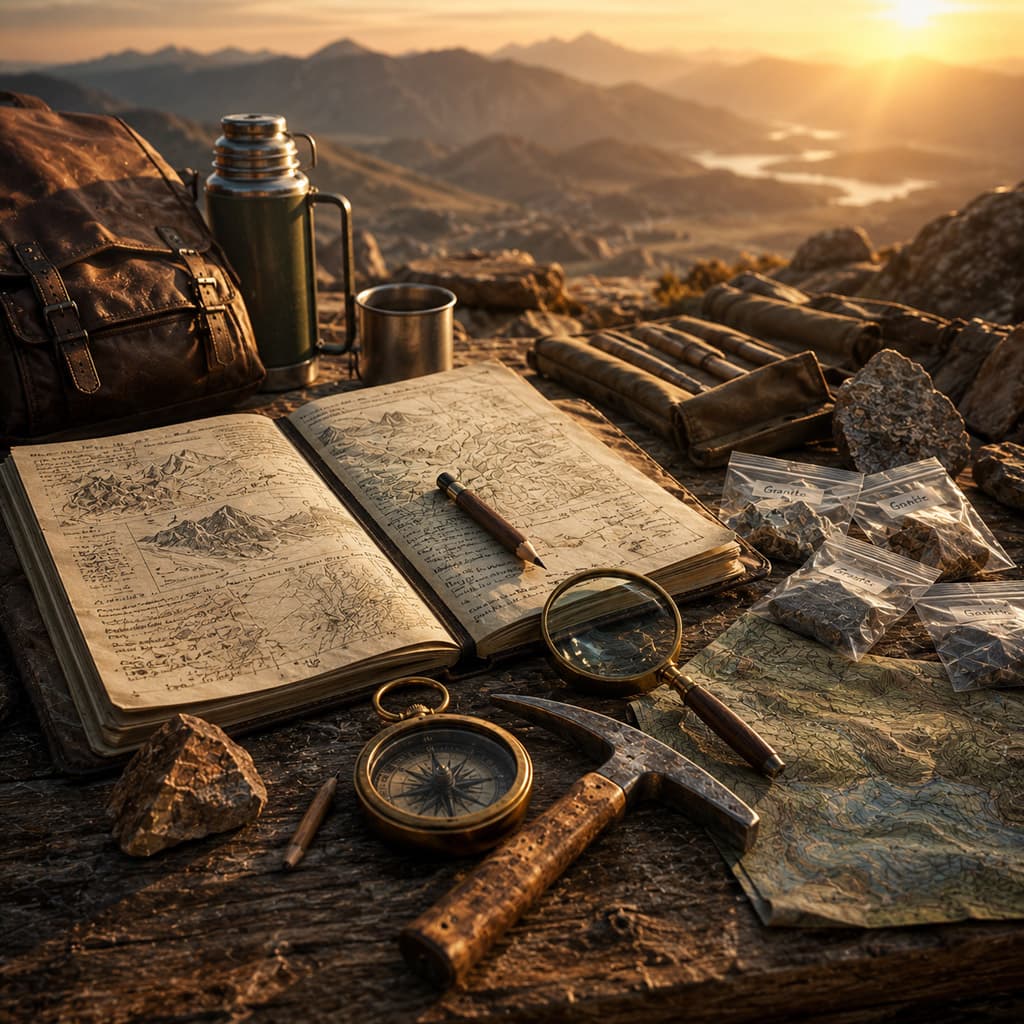
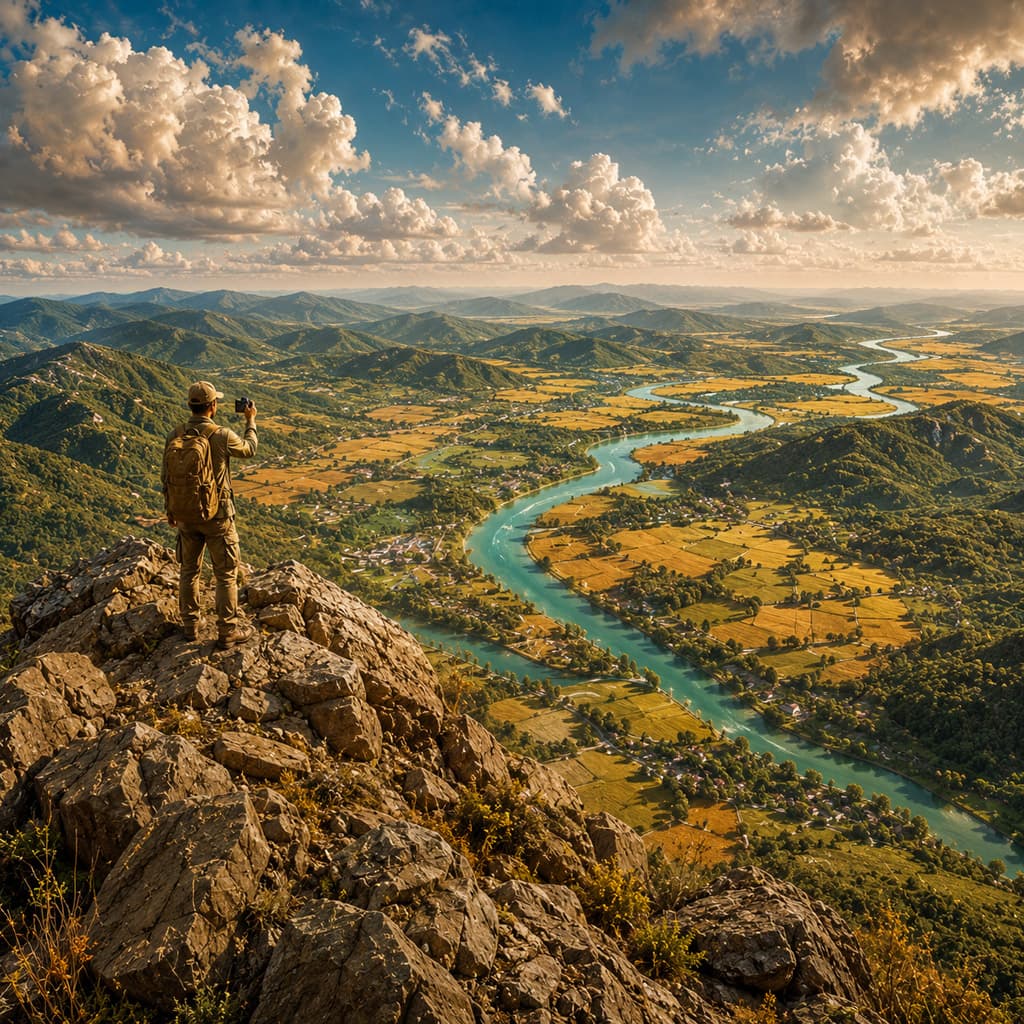
Parents should understand that fieldwork is not a “picnic.” It is where students learn to observe landforms, settlements, rivers, markets, farms, roads, and environmental risks directly. Good field courses teach discipline: note-taking, GPS use, interviewing, sketch mapping, sampling, photography, safety, and teamwork.
“Our field course changed everything for me. I had studied river erosion in class, but standing beside a collapsing bank and mapping households at risk made geography feel real, urgent and human.” — Recent Geography graduate, Bangladesh
Lab Facilities and Software
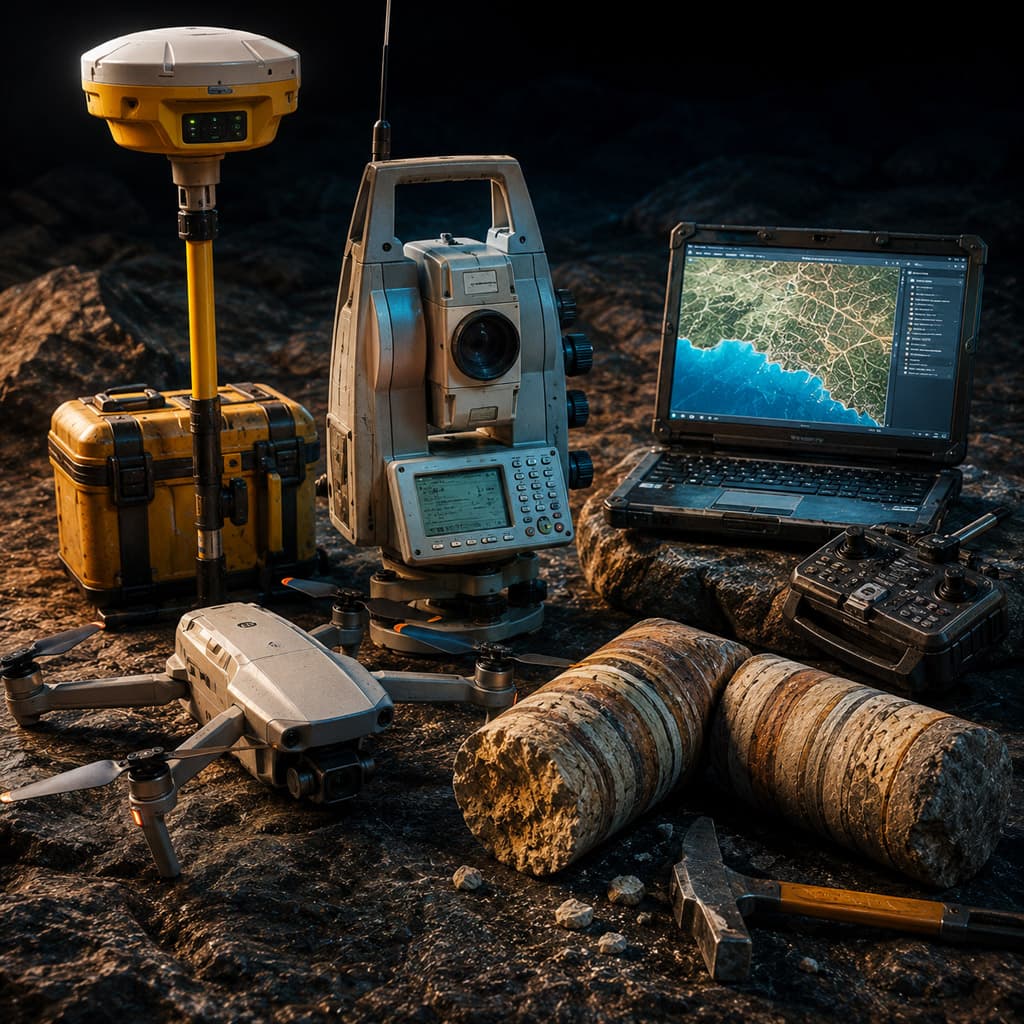
For GIS-focused students, lab access matters. A strong department should have functioning computers, GIS and remote sensing software, GPS devices, map collections, field equipment, and teachers who actively use spatial tools in research. Ask whether students get hands-on practice with QGIS, ArcGIS, ERDAS Imagine, Google Earth Engine, GPS/GNSS, drone data, statistical software, or spatial databases.
Do not judge only by the lab name. Ask how often students actually use it. A department may have a GIS lab, but if access is limited or computers are outdated, learning becomes difficult. On the other hand, even a modest lab can be excellent if teachers are active, assignments are practical, and students are encouraged to build projects.
Four questions to ask on a university open day:
- What GIS and remote sensing software licenses are available to students?
- How often do students go on field trips, and what kind of field methods are taught?
- Can students access thesis data, satellite imagery, GPS equipment, or previous research datasets?
- Where are alumni working — government, NGOs, consultancies, research, tech companies, or abroad?
Career Outcomes
Graduates can work in government mapping agencies, planning departments, NGOs, donor-funded projects, environmental consultancies, disaster management programs, research institutes, universities, telecom, logistics, fintech, and technology startups. Some become GIS analysts, remote sensing analysts, urban planning assistants, environmental officers, research associates, field coordinators, data analysts, or monitoring and evaluation specialists.
The strongest students usually do three things beyond coursework: they build a portfolio, learn both QGIS and ArcGIS basics, and become comfortable with data. A student who can make a clean map, explain a coordinate system, process satellite imagery, conduct field surveys, and write a clear report will have more opportunities than someone who only memorizes theory.
For parents, the key message is this: Geography and GIS can be a serious career path, but students must treat it as a technical and analytical discipline. For students, the advice is simple: choose a university with good teachers, real fieldwork, active labs, and alumni connections — then use your four years to build skills that can be shown, not just listed on a CV.
Sources / References
- University of Dhaka, Department of Geography & Environment — B.S. Honours curriculum: DU Geography & Environment program details
- University of Dhaka research facilities — GIS and Remote Sensing Laboratories: DU Geography & Environment research facilities
- DU Remote Sensing Laboratory details: DU Remote Sensing Laboratory
- Jahangirnagar University, Department of Geography & Environment: JU Department of Geography & Environment
- Jahangirnagar University, Institute of Remote Sensing and GIS: JU Institute of Remote Sensing and GIS
- MSGED Program, Jahangirnagar University: MSc in GIS for Environment and Development
- University of Rajshahi, Department of Geography and Environmental Studies: RU Geography and Environmental Studies
- University of Chittagong, Department of Geography and Environmental Studies: CU Geography and Environmental Studies
- Jagannath University, Department of Geography & Environment: <a href="https://jnu.ac.bd/department/portal/geographyenvironment?utmsource=chatgpt.com”>JnU Department of Geography & Environment






Responses (0 )